
Defence
Strengthening defence operations with intelligent AI technology.

Pioneering the Future of Defence AI

Defence operations demand rugged, high-performance technology to enable secure data sharing, resilient systems, and coordinated decision-making in mission-critical environments. Applied Data Science Partners (ADSP) is at the forefront of deploying advanced AI across the Defence sector, combining trusted thought leadership, deep technical expertise, and the agility required to meet the complex demands of military and national security organisations.
Our Defence Expertise
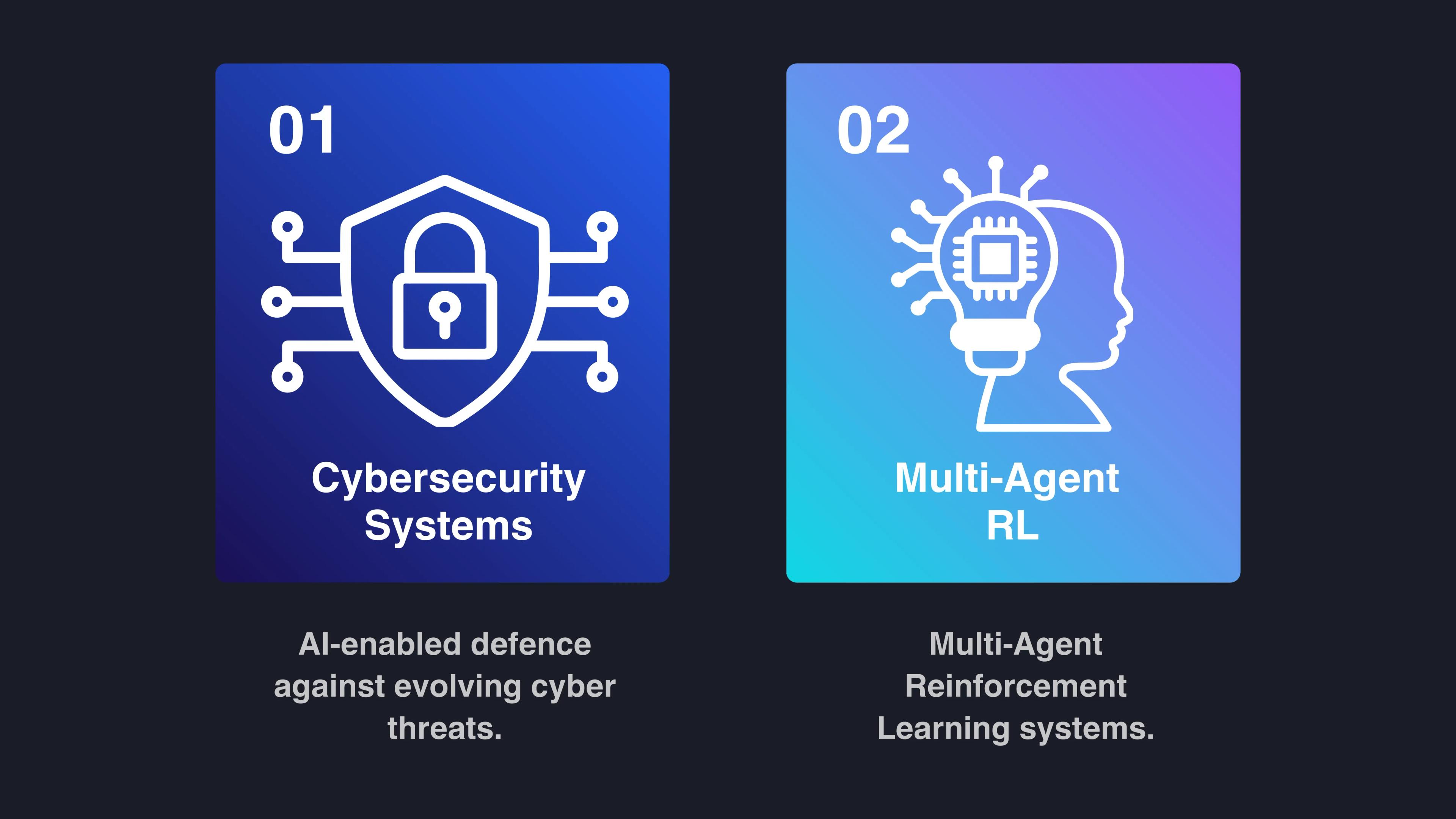
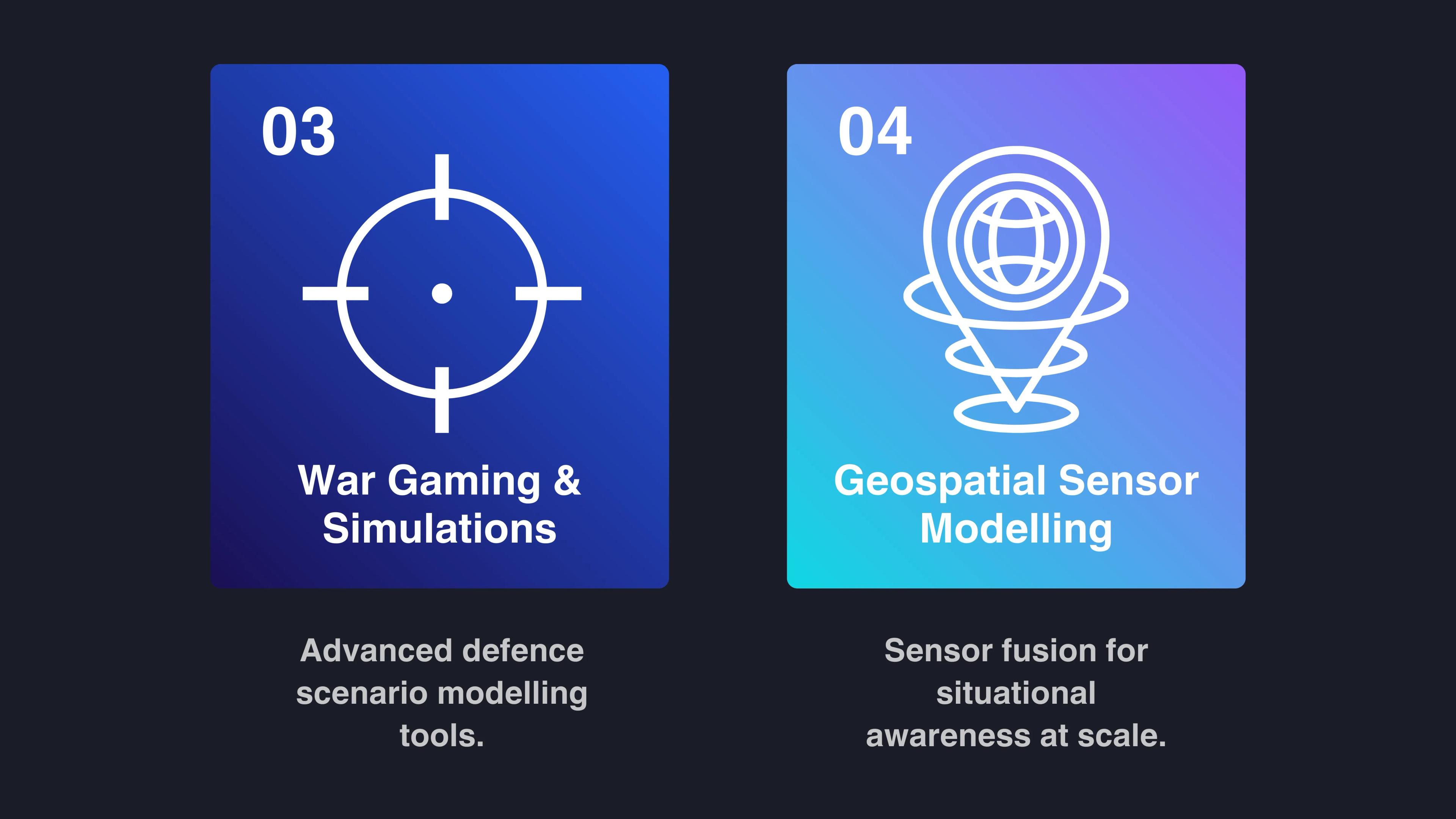
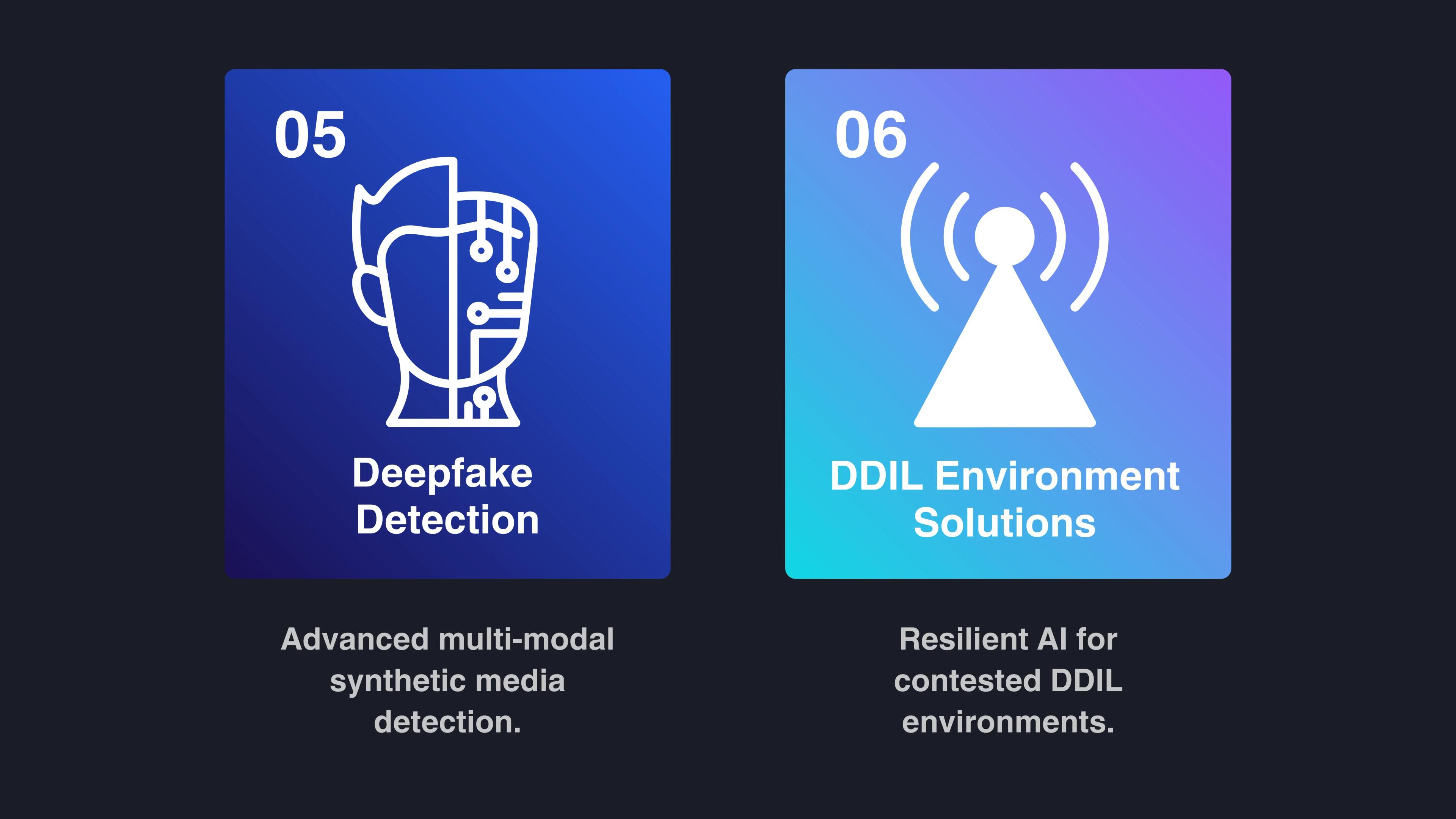
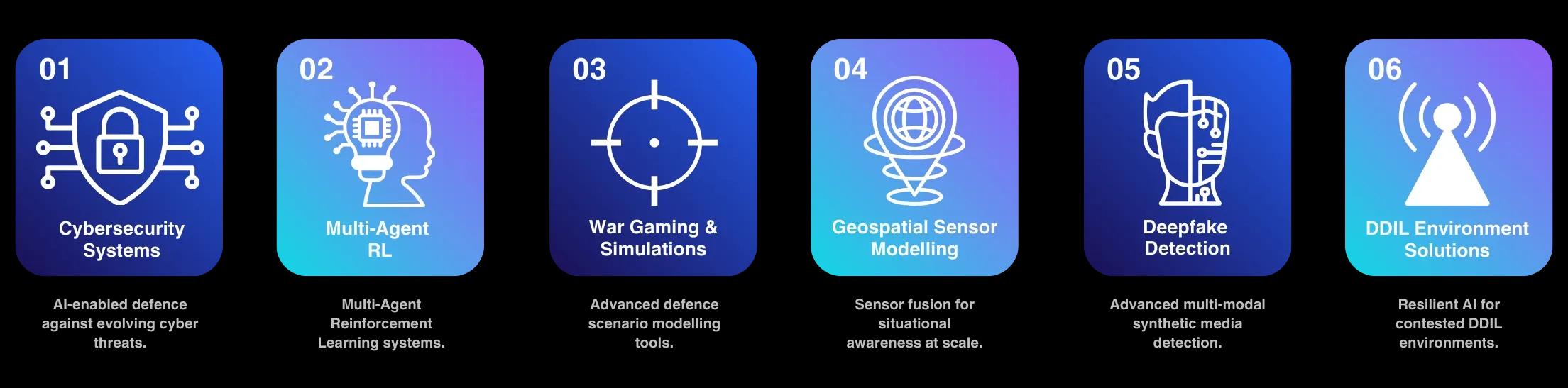
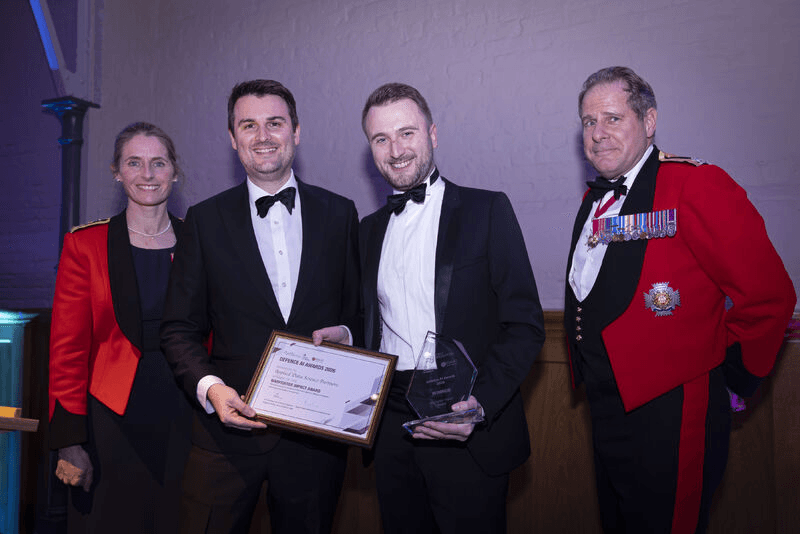
ADSP has delivered world-first innovations, including reinforcement learning for autonomous cyber defence and nuclear planning solutions. Our work also spans LLM-based cyber defence systems, multi-modal deepfake detection models, and advanced simulation and wargaming environments operating in complex domains. We have enabled rapid delivery of sensitive capabilities for clients including Dstl, AWE, RAF and the Royal Navy, consistently exceeding expectations for quality, reliability, and compliance. As an ISO 9001 and ISO 27001 accredited organisation, we deliver high standards of quality assurance and security, enabling us to deliver projects at higher security classifications for defence operations.
Frameworks and Trusted Partners






Navigate Your AI Needs with our Public Sector Team
Need help with an AI project or data challenges? Our experienced public sector specialists are ready to provide personal guidance and support, from early-stage strategy through to delivery.
Book a Free AI ConsultationFrom Concept to Deployment
We use a structured 3-phase approach to help map, design, and deploy AI across critical business processes. This includes building secure, scalable AI workflows that connect people, systems, and data which ensures automation delivers measurable impact, not isolated experiments.
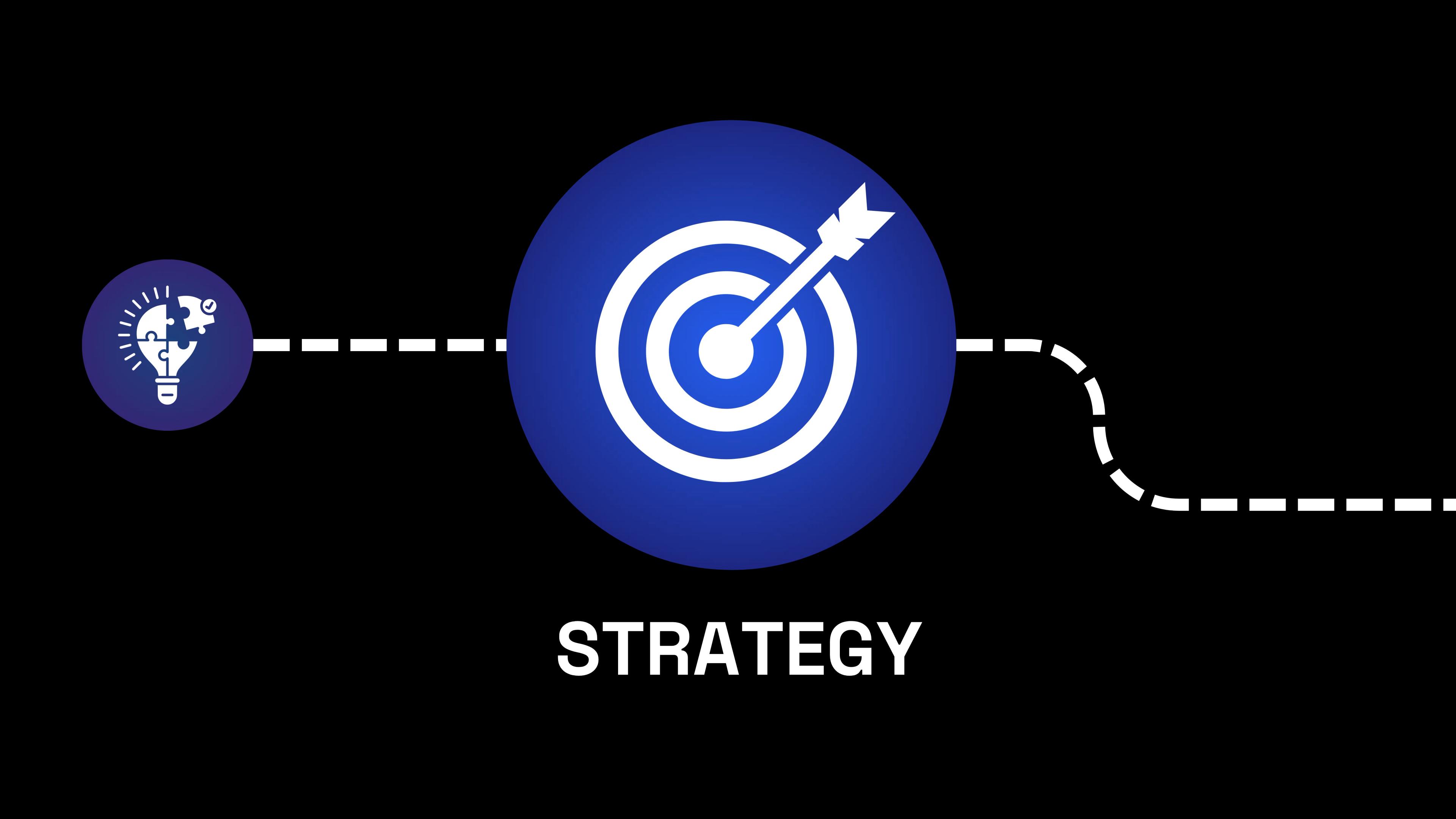
AI Readiness & Strategy
Define clear goals and success metrics to align your AI journey with business priorities.
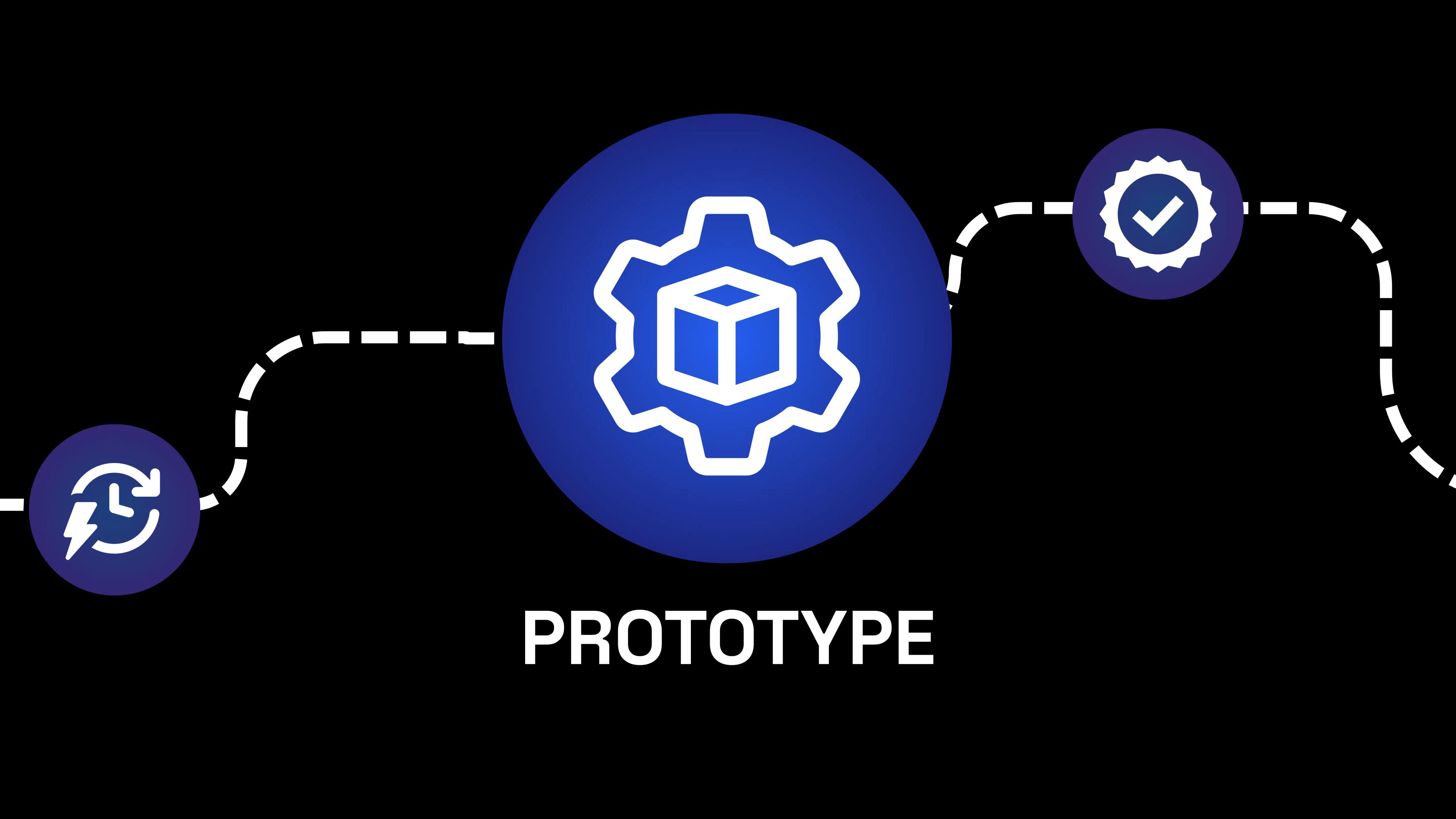
Prototyping & Experimentation
Rapidly test and validate concepts in real-world contexts.
System Build & Deployment
Secure, scalable agentic systems embedded in your existing infrastructure.
ADSP and the MoD
Over the past few years, ADSP has successfully delivered several AI projects for the MOD, playing a pivotal role in advancing AI and ML techniques in cyber defence. Our key contributions include:
LLM Agents for Cyber Defence: A Zero-Shot Approach
Task 37: Investigated using LLMs as defence agents to reduce reliance on traditional training methods, demonstrating a 90%-win rate on specific environments.
 Task 32: Aims to review the evolving LLM landscape, focusing on reducing latency and expanding memory options to enhance agent performance.
A Generalist RL Agent for Cyber Defence
Task 18: Demonstrated the creation of a single, versatile agent capable of effectively operating across multiple cyber environments.
- Task 40: Created adaptors to streamline RL projects and demonstrate the potential to integrate and analyse various RL models efficiently.
Minimum Viable Product (MVP) Agent Integration
Task 8: Implemented the first integration of a pioneer agent into complex environments, leading to the demonstration of an ML cyber defender outperforming a rules-based agent developed with a human analyst.
- Task 19: Showcased that RL could learn to handle more complex simulation environments, achieving a milestone in addressing the Sim-to-Real challenge.
Decoy Agents: A Generative Approach to Deception
Task 36: Explored the efficacy of using Large Language Models (LLMs) to create realistic decoys to deceive attackers and deflect from intended targets.
Talk-To-Your-Components: Human Programming Interfaces
Task 38: Demonstrated LLMs equipped with retrieval augmented generation (RAG) to interpret complex cybersecurity data into human-readable output.
Probabilistic Graphical Models for Agent Planning
Task 49: Implements a probabilistic graphical model to allow the agent to select actions with a higher likelihood of success, anticipating outcomes.
Data Efficient Reinforcement Learning
Task 17: Proved the ability for the Self-Predictive Representations (SPR) technique to generalise better to unseen tasks more effectively than traditional RL techniques.
Defence Environment Simulations
Task 28: Enabled testing and validation of defence agents in complex cyber environments, enhancing adaptability and effectiveness.
Extending Reinforcement Learning Capabilities
Task 50: Focuses on extending and developing proof-of-concept agent and environment adaptors, enabling other groups to utilise the adaptor functionality.
Why Work with ADSP?
.webp&w=3840&q=75)
10+ Years Building Production AI
Trusted by Fortune 500s, we build secure AI solution to turn bold ideas into resilient, production-grade tools.

Certified Excellence
We’re ISO 9001 (Quality) and ISO 27001 (Security) certified — trusted to deliver compliant, enterprise-ready AI systems.

Thought Leaders in Agentic AI
With bestselling authors and experts in AI governance, we lead with ideas that drive responsible, scalable AI across industries.